When you click the link, it will take you to the corresponding page.
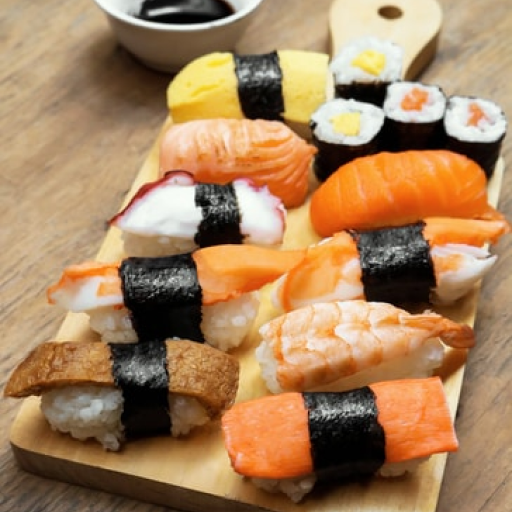
季節の板さんおまかせにぎり
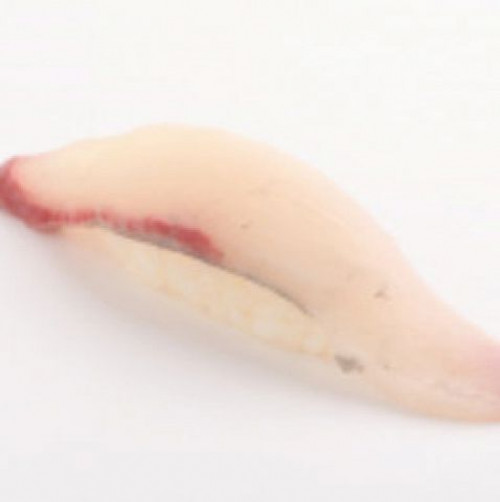
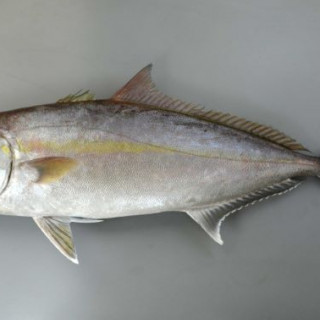
カンパチ
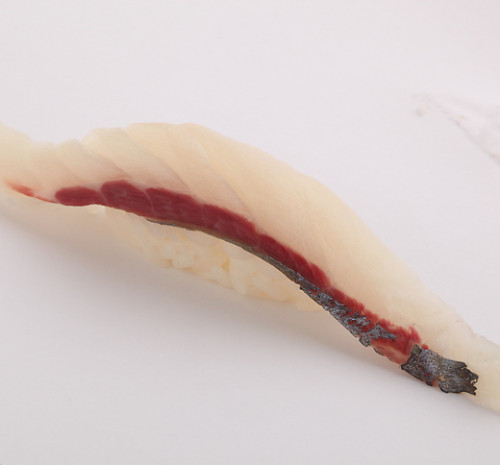
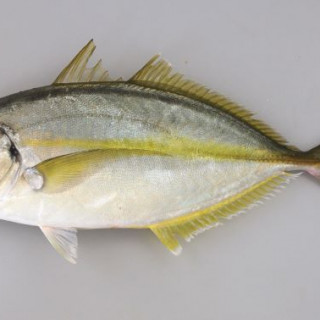
シマアジ
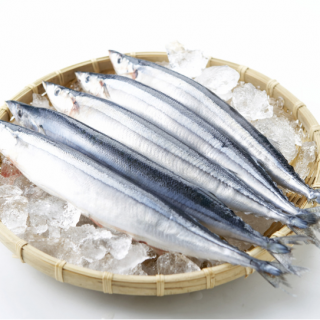
Among the fish used as sushi toppings (neta), "Hikarimono" refers to fish with a bluish color on the back and shiny silver on the belly. Examples include mackerel (saba), horse mackerel (aji), gizzard shad (kohada), sillago (kisu), sardine (iwashi), Pacific saury (sanma), and halfbeak (sayori). These fish are known to be delicate and perish quickly once out of the water, making storage and live distribution difficult. Because of their strong smell, they are often marinated in vinegar (shime) and served with aromatic condiments such as shiso leaves, pickled ginger, wasabi, or chopped green scallions (menegi) to enhance the flavor.
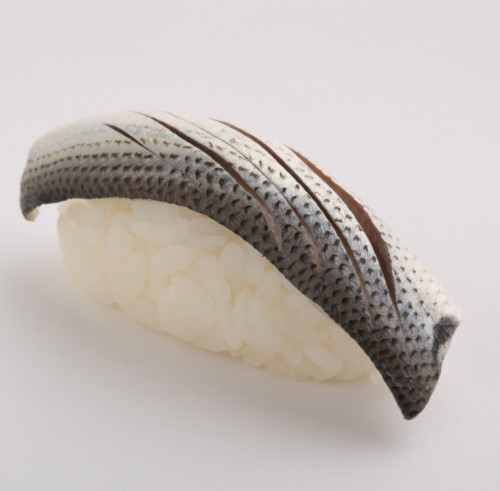
小肌
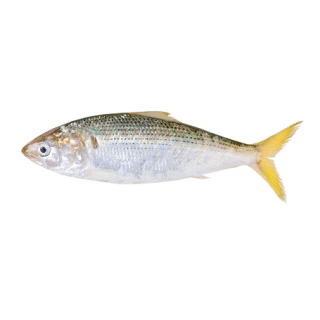
Kohada is a shusseuo (fish with different names as it grows) and an essential ingredient in Japanese cuisine. When it is less than 5 cm, it is called Shinko, meaning "young fish." At this stage, it is used as sushi with 3-5 fish placed on one piece. When it grows to about 10 cm, it is called Kohada, meaning "small shine," referring to the beauty of its silvery scales. Kohada is the most commonly used stage in sushi restaurants, often marinated to remove any fishy smell and enhance umami flavor. At about 15 cm, it is called Nakazumi, which is larger and oilier with a richer flavor than Kohada. When it reaches 20 cm or more, it is called Konoshiro, which is rarely used as sushi but is instead simmered or grilled. In the past, samurai avoided eating Konoshiro because its name, "この城 (Kono Shiro)," means "this castle," which was considered disrespectful as it symbolized eating their own castle. These stages and names represent the growth and quality of Kohada and highlight the importance of a chef's skill in preparing it.
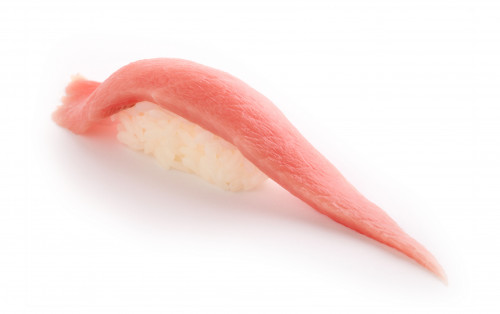
中トロ
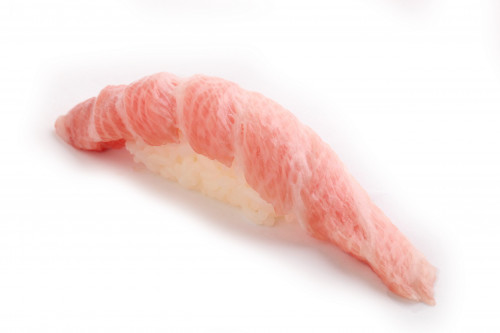
大トロ
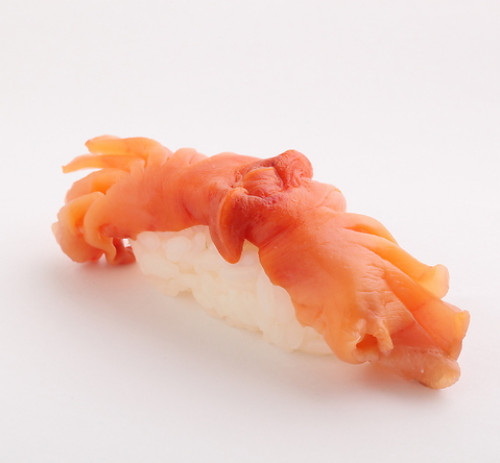
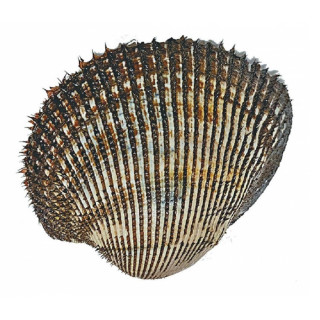
赤貝
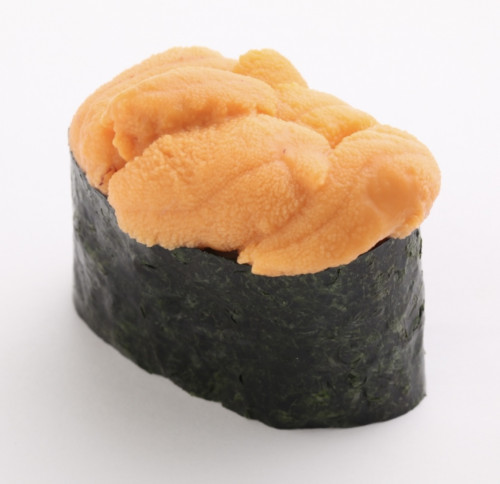
ウニ
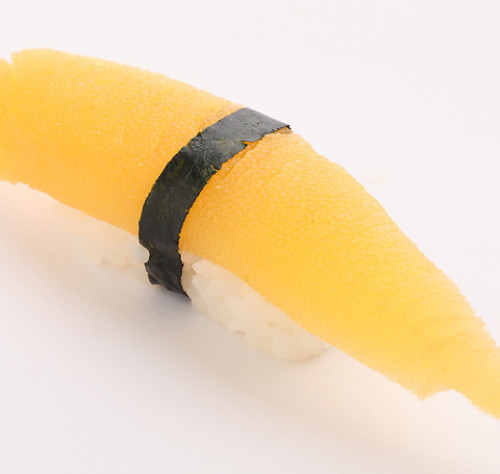
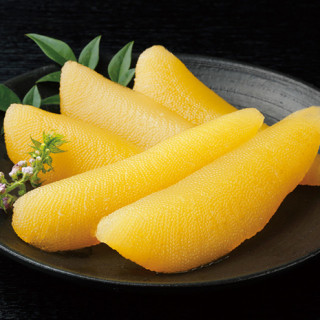
数の子
Kazunoko is a traditional Japanese food made from salt-cured or dried herring roe sacs. It is commonly used in osechi ryori (New Year’s dishes) and as a sushi ingredient. Salted kazunoko is soaked in water to remove excess salt, while dried kazunoko is rehydrated before cooking. Pre-seasoned kazunoko ready to eat is also available on the market. There is also a product called komochi kombu, which consists of herring eggs naturally attached to kelp during spawning. Compared to the roe of other fish, herring roe sacs are firm and have a distinct crunchy texture that produces a popping sound when chewed. The renowned Japanese artist and gourmet Rosanjin Kitaoji once described kazunoko by saying, “Kazunoko is a food in which you savor the sound.”
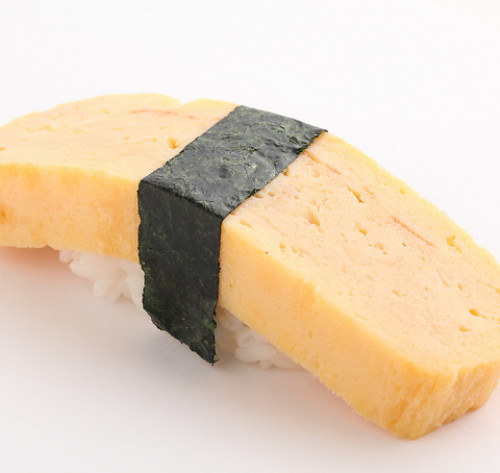
玉子にぎり
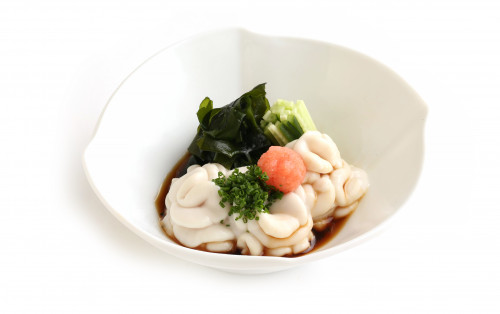
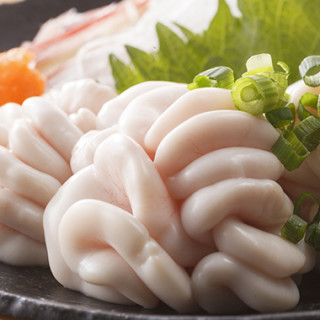
白子ポン酢
"Shirako" is a Japanese term referring primarily to the white reproductive organ (milt) found in the belly of male fish. The mature shirako of fish like cod, anglerfish, and pufferfish is known for its delicious taste and is frequently used in various dishes, such as raw salads, soups, hot pots, and grilled dishes. The reproductive organ (eggs) of female fish is called "goni". In sushi restaurants, grilled pufferfish milt is especially popular for its creamy and exquisite flavor.
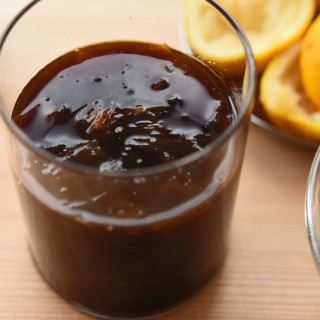
Ponzu is a seasoning made from citrus fruit juice mixed with vinegar. It primarily uses juices from yuzu, lemon, sour orange, and green tangerine, giving it a refreshing flavor. Mixing ponzu with soy sauce is called "ponzu shoyu" or "ponzu soy sauce", but it's also simply referred to as ponzu. Typically, when people mention ponzu, they are most likely referring to the soy sauce mixed version. It's often used as a dipping sauce for shabu-shabu or hot pot dishes.